
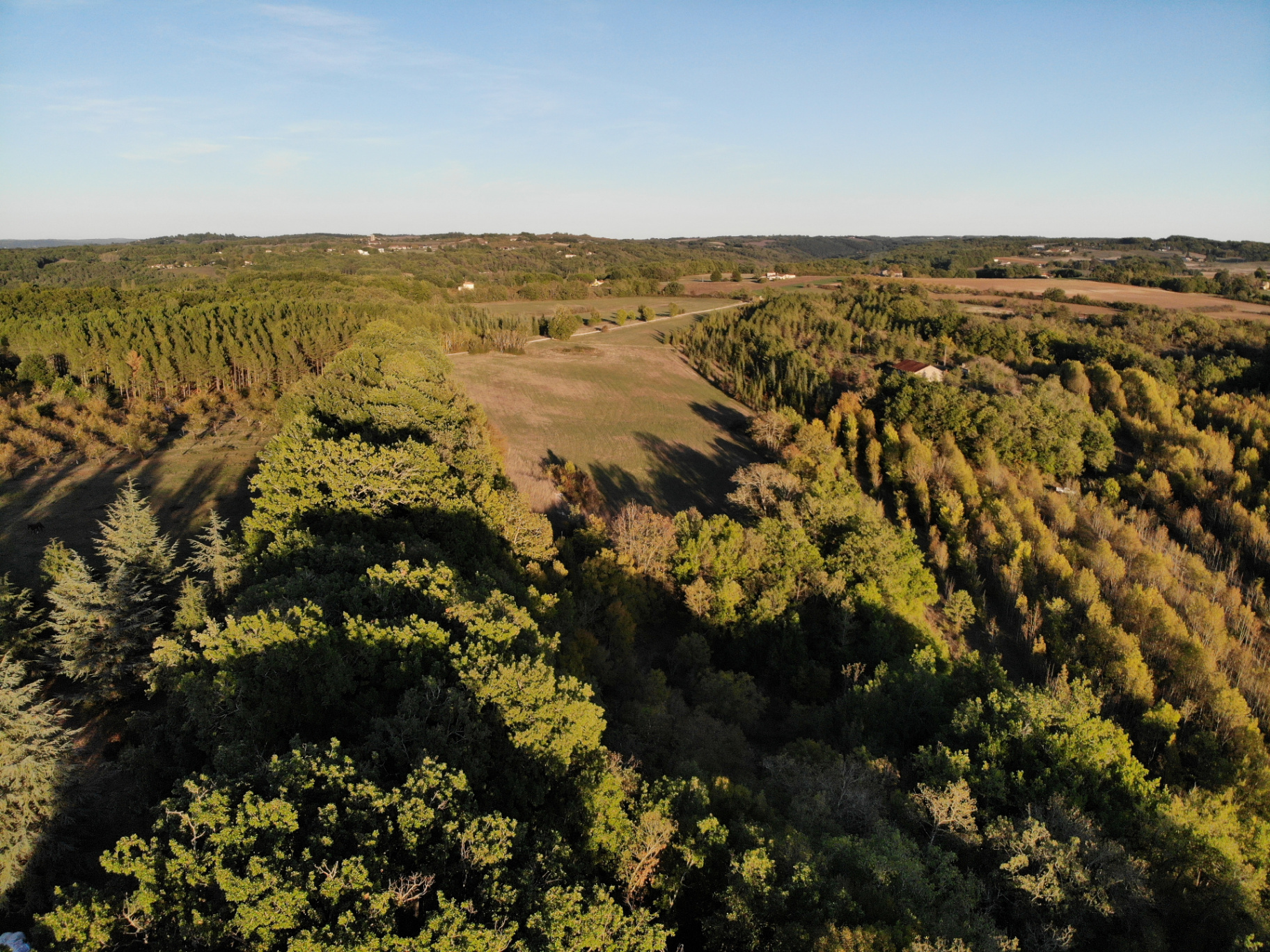
System 1
Agro-silvopasture
Various tree crops with row cropping for livestock-animal grazing.
The Land
Rewilding principles woven with regenerative land stewardship, agroforestry, water systems, and biodiversity restoration — working with nature to restore the balance.
Land overview
Meadows, forests, water, permaculture gardens, and grazing lands come together as a diverse landscape, restoring connections between habitats and creating space for biodiversity to return.
Food Forest
Planned conversion of plum orchard into a diverse edible ecosystem of fruit trees, nut trees, shrubs, herbs, flowers, pollinator habitats and winding pathways.
Seasonal rhythm
Spring
bloom
Summer
fruit
Autumn
harvest
Winter
rest
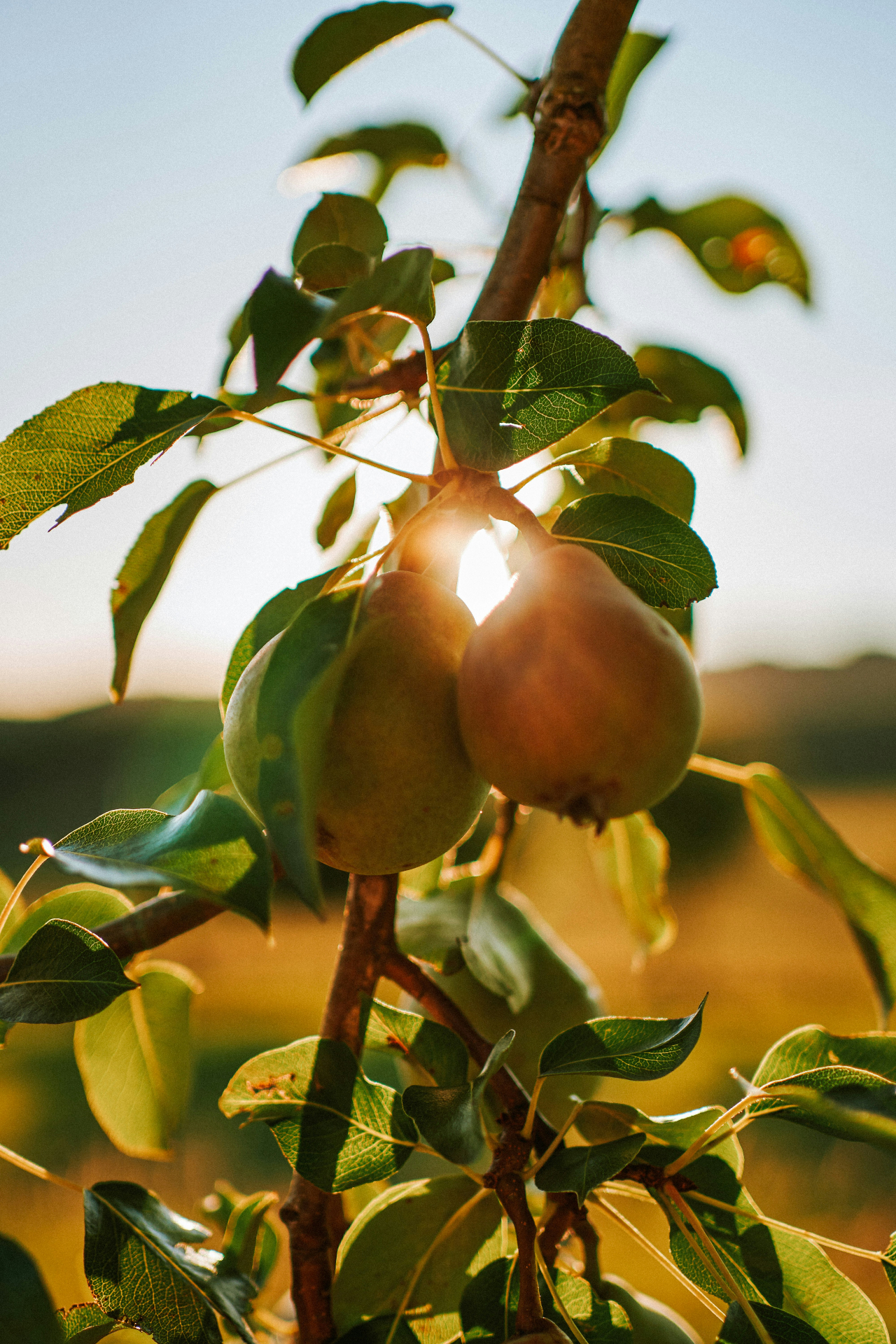
Seven layers
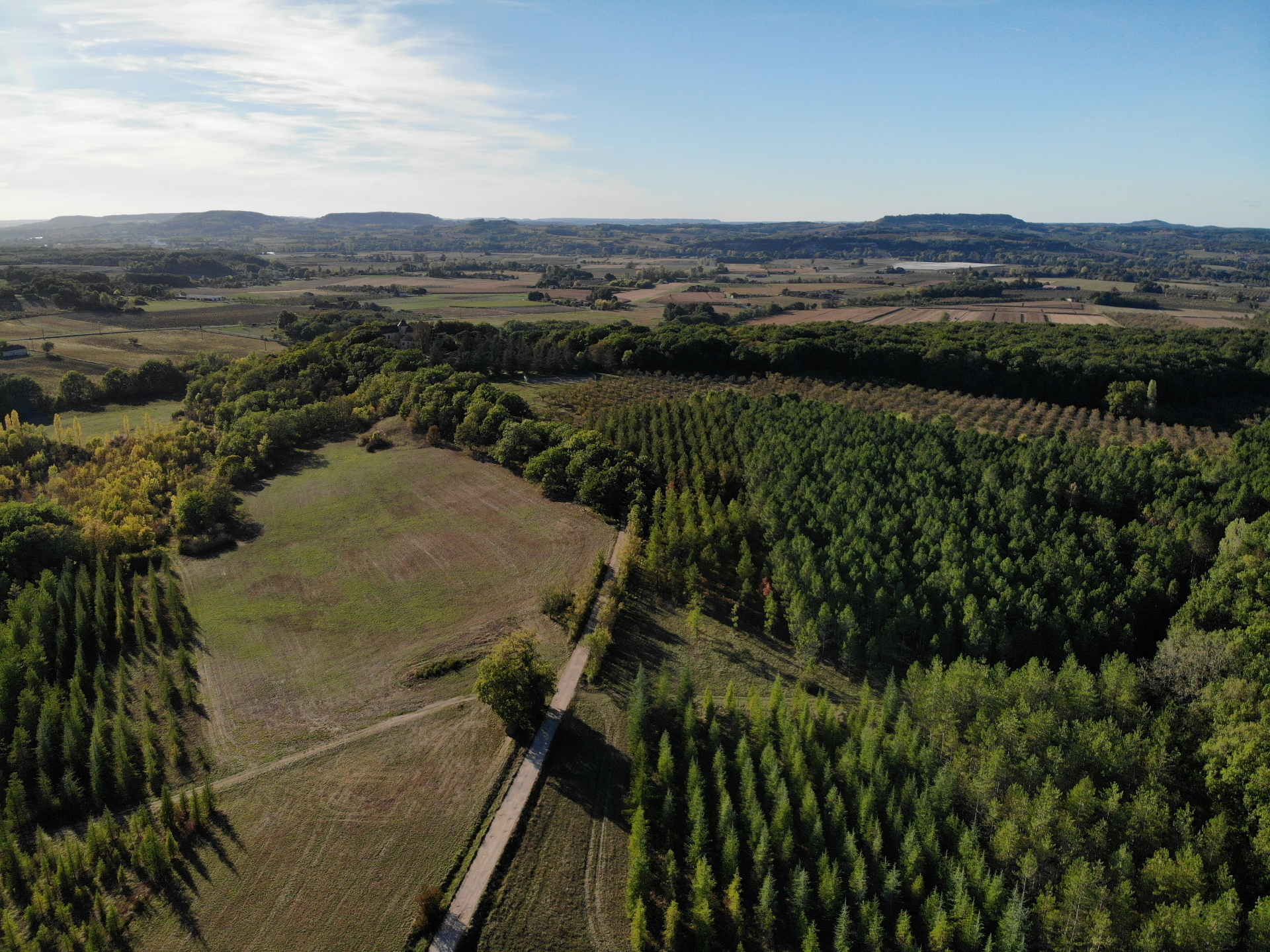
Agroforestry
Conversion of conventional farmland into different agroforestry research systems. Tree-based agriculture designed to restore soils, improve water retention, increase biodiversity and create resilient food systems over generations.
Silvopasture
Animals between rows of nut and fruit trees.
Carbon sequestration
Long-lived woody biomass and deep roots.
Water retention
Swales, mulch and canopy shade.
Soil regeneration
Living roots year-round, no bare soil.
Rewilding
Parts of the land are dedicated to minimal intervention and habitat restoration, allowing forests, native plants, wildlife and ecological succession to return.
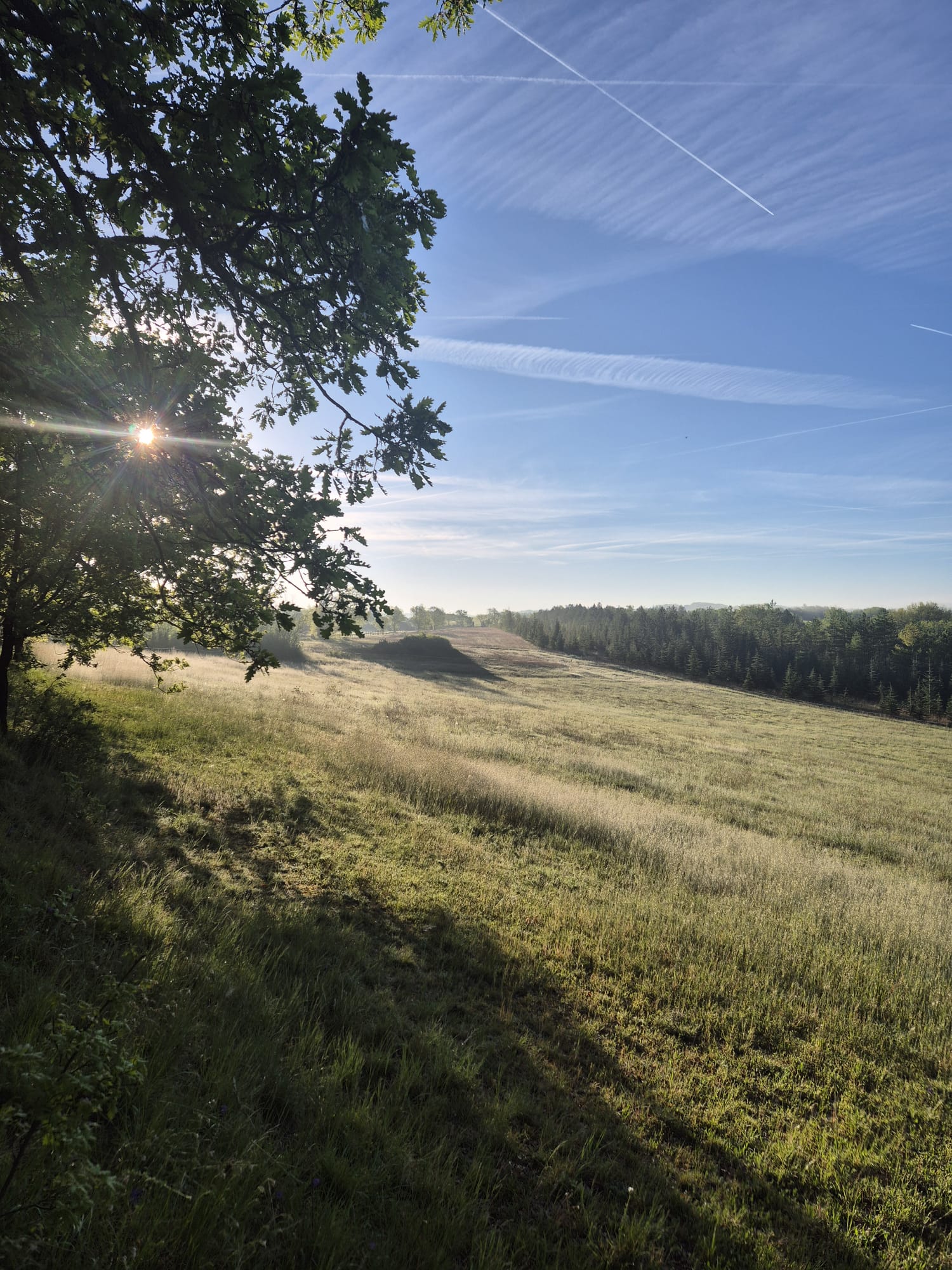
Agroforestry & Food Forest
System 1
Various tree crops with row cropping for livestock-animal grazing.
System 2
Multi-layer, multi-purpose trees with alley cropping for animal feed crops (lucern, alfalfa, grasses, etc.).
System 3
Focused on bio-diverse organic fruits, vegetables and aromatic and medicinal herbs.
System 4
Conversion from a retired prune orchard to an agro food forest.
System 5
Creating a healthy tree biodiversity from a monocrop tree forest.
Planting Roadmap
A long-view schedule for trees, soil and habitat — phased so each stage strengthens the next.
Year 1
Site preparation, swales, water plan and tree nursery start.
Year 2
First 1,000 trees in the ground; food-forest core established.
Year 3
Agroforestry alleys planted across productive land.
Year 5
Canopy filling in; full grazing rotations underway.
Year 10
Mature food forest, established biodiversity baseline.